Bob's Watches Bob's Watches
As of September 2026, a select group of Rolex models is selling for less than in 2025, according to Bob’s Watches completed-sale price data, led by the Yacht-Master 40 ref. 16622 (average sale price down 12.5%) and the Oyster Perpetual 36 ref. 126000 (down 12.3%), while the median Rolex reference rose about 10% over the same period. Below are the ten biggest declines, exactly which models got cheaper, by how much, and what it means whether you’re buying, holding, or selling.
Most “Rolex prices are dropping” articles are built on asking prices scraped from listings. This one isn’t. Every number below comes from watches we owned, sold, and shipped, thousands of completed Rolex sales across the two comparison windows. Listings tell you what sellers hope for. Completed sales tell you what buyers actually paid. We publish the declines for the same reason we publish everything else: if we only showed you the numbers that flatter the market, you’d have no reason to trust any of our numbers at all.
How We Measured Results
Same house rules we use for every data piece we publish:
- Completed Bob’s Watches sale prices only. Never listings, never estimates, never “market value” hand-waving.
- Comparison window: January 1 – August 31, 2025 versus January 1 – August 31, 2026. We compared identical eight-month windows rather than trailing twelve months so that neither side of the comparison gets a seasonal advantage. Data collected September 11, 2026.
- Minimum sales threshold: a reference only qualifies if it sold in meaningful volume in both windows, so no single transaction can distort an average. Where a decline is small and the underlying sample is on the modest side, I say so in the model notes below.
- Reference-level averages in the table; the headline figure above is the median change across every reference we track.
- Configuration-pinned references only, a 126200 is compared against other 126200s, not against the whole Datejust family.
The Top 10 Rolex Models That Dropped in Price
Here are the 10 references with the biggest declines in average sale price.
| Model (Ref) | Avg sale: Jan–Aug 2025 → Jan–Aug 2026 | Change |
| Yacht-Master 40, older platinum bezel (16622) | $11,653 → $10,191 | −12.5% |
| Oyster Perpetual 36 (126000) | $14,108 → $12,367 | −12.3% |
| Air-King 34mm (14000) | $6,700 → $6,070 | −9.4% |
| Submariner, vintage (5513) | $14,680 → $13,487 | −8.1% |
| Sea-Dweller Deepsea (116660) | $12,256 → $11,330 | −7.6% |
| Daytona, white gold (116519) | $41,409 → $38,435 | −7.2% |
| Sky-Dweller, steel (326934) | $23,522 → $22,205 | −5.6% |
| Yacht-Master 40, newer platinum bezel (116622) | $13,457 → $12,806 | −4.8% |
| Day-Date President, yellow gold (18038) | $21,372 → $20,423 | −4.4% |
| Air-King 40 (116900) | $8,892 → $8,522 | −4.2% |
And because selective omission would undercut this whole exercise: the large majority of the references we track rose. The biggest gainer was the two-tone Lady-Datejust 69178, up 33.4%, and the GMT-Master II 126710 family climbed 27% on heavy, sustained volume. A short list of decliners against a broad field of gainers is not a falling market. It’s a market that has stopped rewarding everything equally, which, in my opinion, is exactly what a healthy market looks like.
Yacht-Master 40 ref. 16622

The biggest decline on the board, and the one I find most interesting. The 16622, the original platinum-bezel Yacht-Master 40, averaged $10,191 in 2026 against $11,653 last year. Our 2026 volume on this reference more than doubled year over year, so this isn’t one soft transaction skewing an average; it’s more of these watches trading at genuinely lower money. My read: the Yacht-Master 16622 rode upward in the wake of the current Yacht-Master’s popularity, and that tow-rope has slackened. That makes today’s price the lowest entry point we’ve recorded on this reference in years, for a platinum-bezel Rolex sports watch under $10,500 in decent supply, that’s worth knowing.
Oyster Perpetual 36 ref. 126000
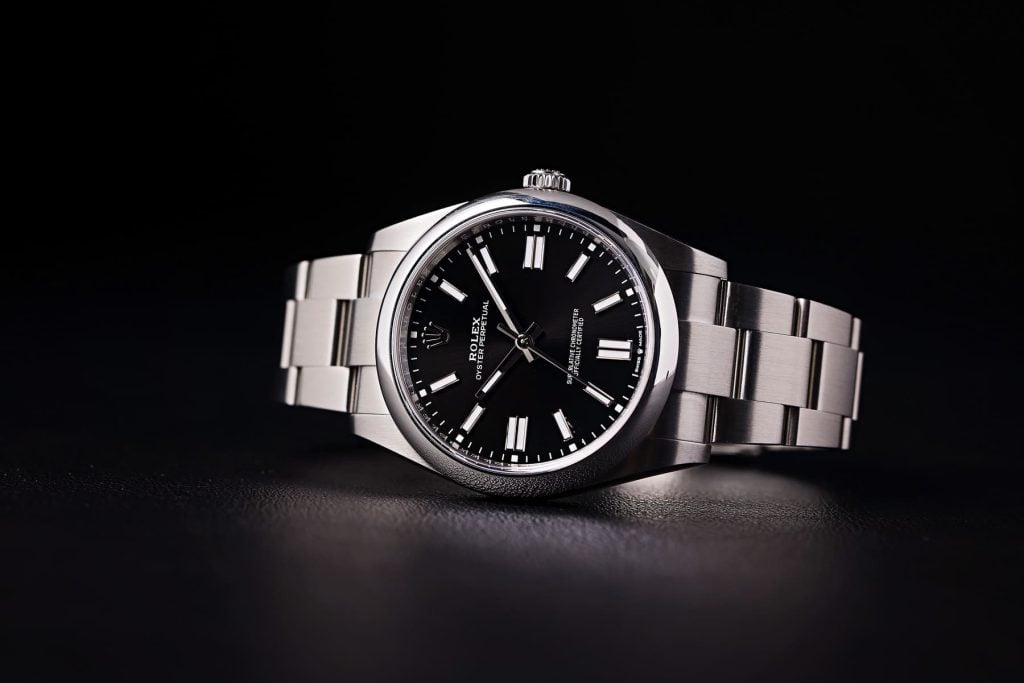
No surprise to anyone who watched the colored-dial OP frenzy of 2021–2022. The Oyster Perpetual 126000 averaged $12,367 in 2026, down from $14,108. This is the cleanest example of a hype premium unwinding that I can show you from our own books: the watch didn’t change, the waiting-list panic did. Worth noting the broader Oyster Perpetual family still rose in our data, it’s the 36mm, the epicenter of the turquoise-and-candy-dial mania, that’s giving back the most.
Submariner ref. 5513
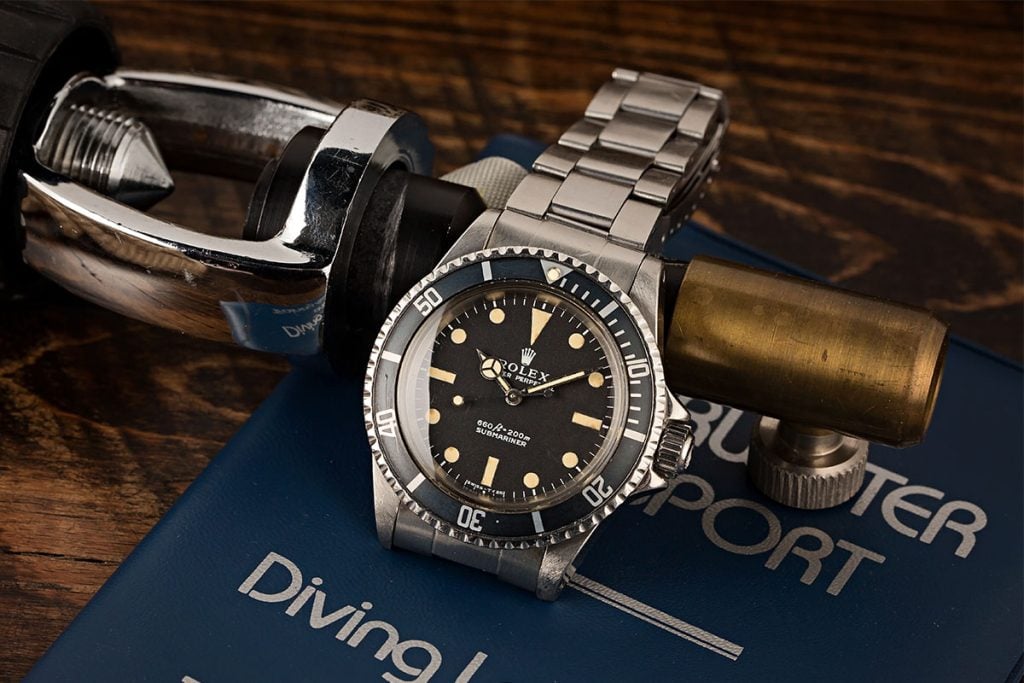
A caveat-first entry. The vintage Submariner 5513 averaged $13,487 in 2026 versus $14,680 in 2025, but vintage references resist averaging: a 1960s meters-first example and a 1980s example are almost different watches commercially, and which era happens to sell in a given window moves the number. Our 2026 sales skewed toward later examples. I’d describe the 5513 as softer, genuinely, but the twelve-month figure overstates how much a comparable watch has actually cheapened. Mid-grade 1970s–80s examples have traded steadily in the $10K–$14K band all along.
Sea-Dweller Deepsea ref. 116660
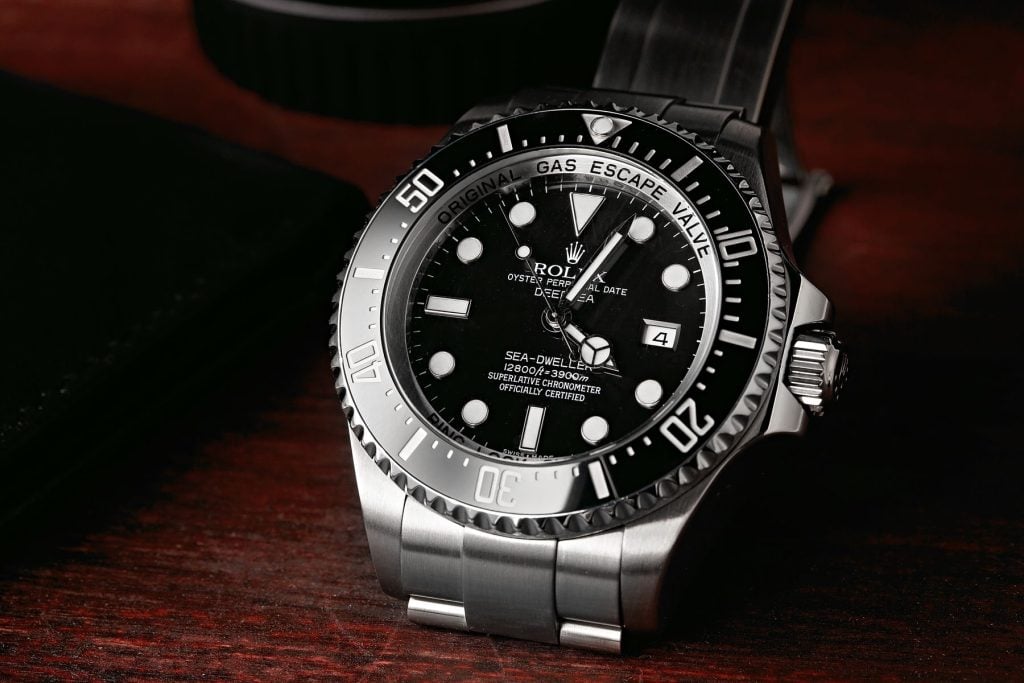
The discontinued Deepsea averaged $11,330 in 2026, down from $12,256, and notably, the current-generation Rolex Deepsea 136660 cooled modestly too. When both the old and new versions of a model soften while nearly everything around them rises, that’s demand, not supply. The Deepsea is a magnificent piece of engineering that’s simply too much watch for most wrists, and 2026 buyers are pricing it accordingly. If you’ve always wanted one, the market just moved in your direction.
Daytona ref. 116519
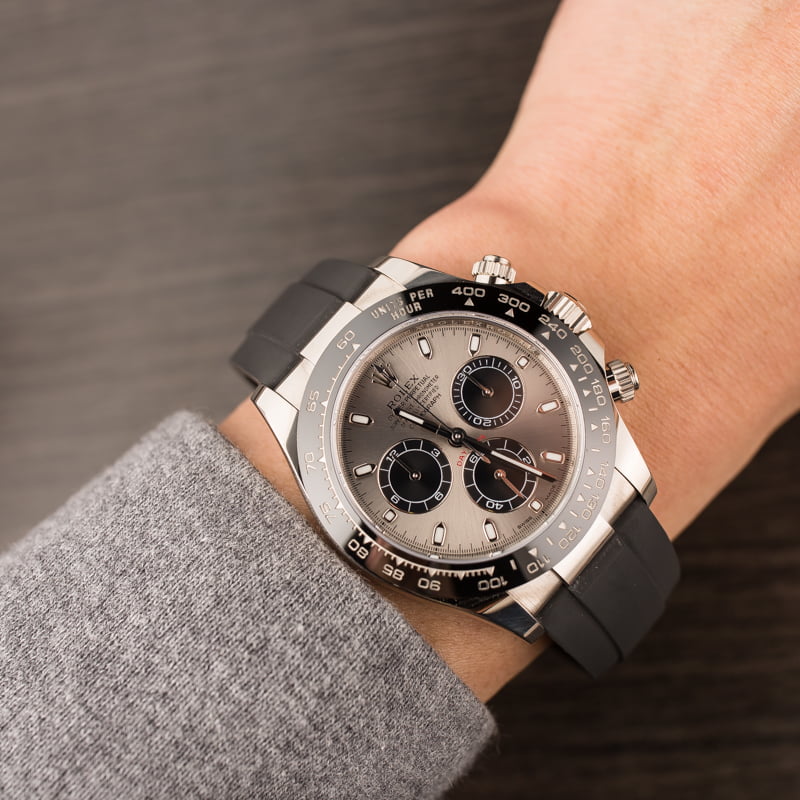
The white gold Daytona 116519 on strap averaged $38,435, down about $3,000. This is one of the lower-volume references in the table, so treat the precise percentage gently, but the direction fits a pattern I see across the table: precious-metal and discontinued references cooling while core steel sports pieces (the steel ceramic Daytonas rose in our data) hold the heat.
Air-King refs. 14000 and 116900

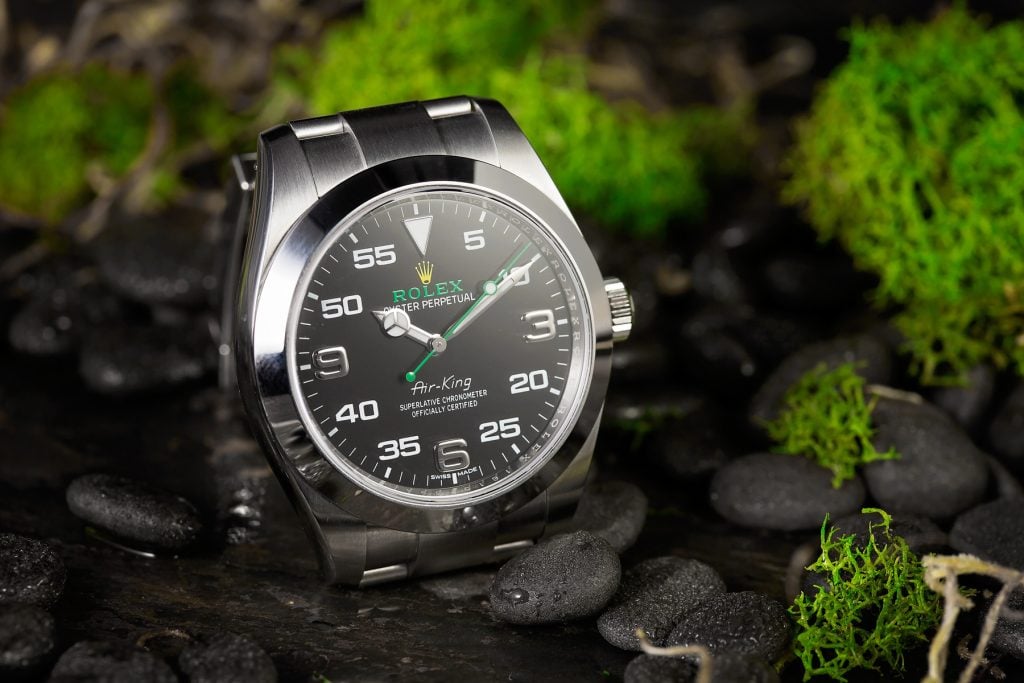
Both Air-Kings declined, the classic 34mm at $6,070 and the 40mm at $8,522. The Air-King 14000 remains the least expensive road into a no-date Rolex Oyster, and it just got about $600 less expensive. I’ve said for years the Air-King is the most underrated watch Rolex makes; the market apparently insists on proving me right by refusing to bid it up.
Why Prices Dropped (The Cycle Explained)
Nothing in this table is mysterious if you zoom out. The 2020–2022 run-up put a pandemic premium on nearly everything with a crown on the dial. Since then, that premium has been unwinding, unevenly. Supply of discontinued references normalized as flippers exited. The gap between retail and secondary prices narrowed. And demand re-concentrated on the core references, leaving the watches that rose on momentum rather than merit to drift back. Chrono24’s Rolex Report 2026 documents the same pattern from listing data across the broader market; our completed sales confirm it from the other side of the transaction. This is an unwind, not a collapse, the median tracked reference in our data rose roughly 10%.
That’s also why a reference can appear both here and in our Best Rolex Investments guide without contradiction. A watch can be down 8% over twelve months and still be a sound long-term reference, cycles move prices; fundamentals move slower.
Our CFO, Joe Alessandrini, watches these numbers from the buying side daily. Here is what he had to say:
“When a handful of references decline while the broad majority rise, that’s not a market falling apart, that’s a market getting selective. The pandemic paid a premium on everything. 2026, in my opinion, is going in the right direction.”
Joe Alessandrini, CFO of Bob’s Watches
What This Means If You’re Buying

The practical takeaway: several genuinely great watches are at their lowest entry points in years. The 16622 Yacht-Master under $10,500, the Deepsea 116660 around $11,300, the OP 36 shedding its hype tax, these are real openings on real completed-sale numbers, not marked-down asking prices. I won’t tell you any of them is going back up; I don’t know that, and neither does anyone else selling watches. What I can tell you is what buyers are actually paying today, and that on the references above, it’s less than a year ago. Value framing, not a forecast. Browse the current inventory on any of these references and compare against the table above, that’s the whole point of publishing it.
What This Means If You’re Holding or Selling

The uncomfortable part, addressed head-on: we buy watches, and we just published data telling some of you that yours is worth less than last year. Here’s how I’d think about it. If you own one of the references above and love it, nothing in this article should matter to you, a 4% move on a watch you wear is noise. If you’re considering selling a Rolex, the data goes both ways: these references have softened, but most others firmed, and if you’re trading up from a decliner into a gainer, waiting doesn’t obviously help you. Our buy prices are published, not negotiated in the dark, so you can see exactly what the market, through us, will pay today and decide on your own timeline. No pressure framing here; the numbers are the numbers.
“We publish our buy and sell prices for the same reason we publish this table. If our data says a reference is down seven percent, our offer reflects that, and the seller can see both numbers side by side. I’d rather lose a purchase honestly than win one on an outdated price.”
Joe Alessandrini, CFO of Bob’s Watches
Frequently Asked Questions
Every price in this article comes from a watch Bob’s Watches owned and sold.
The post Which Rolex Models Dropped in Price in 2026? appeared first on Bob's Watches.