Bob's Watches Bob's Watches
Rolex insurance covers a watch that a standard homeowners or renters policy may only protect in part. Most Rolex owners should evaluate either a dedicated watch policy or a scheduled personal property endorsement, because a Rolex watch carries real replacement value, travels on the wrist, and can be lost, stolen, or damaged far from home.
The right answer depends on the specific watch, its current market value, how often it is worn, where it is stored, and what the owner already carries. A Datejust kept in a safe and a Daytona worn daily on international trips present different risks, and they often call for different coverage. What follows is a practical guide to how Rolex watch insurance works, what it costs, what documentation matters, and what to ask before signing anything.
Coverage varies by insurer, policy, state, and country, and by the individual circumstances of each owner. This article is educational and is not insurance, legal, or financial advice. Confirm all coverage details directly with a licensed insurance provider.
Key Takeaways
- A Rolex is often valuable enough to need either scheduled personal property coverage or a standalone watch policy.
- Homeowners and renters policies frequently cap payouts for jewelry and watches, and those caps can fall well below the value of a single Rolex.
- The insured value should track current market value, not the original purchase price or the current retail price.
- Documentation drives claims: photos, receipts, serial and reference numbers, appraisals, service records, and box and papers when available.
- A Rolex can usually be insured without papers, though the insurer may ask for other proof of ownership or valuation.
- Pre-owned Rolex values move, so the insured amount deserves a review at least once a year.
Insurance sits alongside the other responsibilities of Rolex ownership: authentication, servicing, and knowing what the watch is actually worth today. The sections below work through each decision an owner faces, starting with what the term “Rolex insurance” actually describes.
What Is Rolex Insurance?

Rolex insurance is not a single product. The phrase describes any coverage that protects a Rolex against financial loss, and in practice it takes two main forms: a standalone watch or jewelry policy from a specialty insurer, or a scheduled personal property endorsement added to an existing homeowners or renters policy. Both can work well. They differ in cost, claim handling, and how much of the risk they actually absorb.
A standalone policy is written specifically for the watch, usually with an agreed value and often with no deductible. A scheduled endorsement attaches the watch to a policy the owner already holds, listing it by description and value so it sits outside the general personal property limit. The coverage each provides for theft, loss, accidental damage, travel, mysterious disappearance, and shipping varies by carrier, and so do the exclusions, deductibles, and payout limits.
Whichever route an owner takes, the number that matters most is the insured value, and that figure should be built from the current pre-owned Rolex market value rather than a receipt from several years ago.
Does Homeowners Insurance Cover a Rolex?

Homeowners insurance may cover a Rolex, but usually only up to a sublimit that applies to jewelry and watches as a category. Many policies cap that category at a few thousand dollars for theft, which can sit far below the value of a single watch. The main dwelling coverage figure on the declarations page has no bearing on this; the jewelry sublimit is a separate and much smaller number.
The gaps tend to appear away from the house. A policy may pay for a watch stolen during a home burglary and pay nothing for the same watch lost in an airport or damaged on a tennis court. Mysterious disappearance, meaning the watch is simply gone with no evidence of theft, is excluded under many standard policies. Scheduling the Rolex separately closes most of these gaps by naming the watch, setting its value, and extending coverage beyond the walls of the home.
Four questions settle the matter with any carrier: Is the watch covered at home? Is it covered while worn? Is it covered while traveling internationally? Is it covered while being shipped for service or sale? Vague answers to any of those are a reason to keep asking.
How Much Does Rolex Insurance Cost?

Rolex insurance cost depends on the insured value of the watch and the risk profile attached to it, so a single national figure would be misleading. Insurers commonly price watch coverage as a percentage of the insured value, then adjust that rate up or down based on the owner and the policy structure. The only reliable number comes from a quote built on the current value of the specific reference.
The factors that move the premium are consistent across carriers:
- The insured value of the watch, which is the single largest driver.
- Location, including local theft rates and the ZIP code on file.
- Policy type: standalone watch coverage or a scheduled endorsement.
- Deductible amount, if the policy carries one.
- Whether theft, loss, and mysterious disappearance are all included.
- Travel coverage, especially international travel.
- The size of the collection, since multiple watches are often rated together.
- Storage requirements, such as a safe of a specified rating.
- Claims history.
- Whether the policy pays agreed value, replacement cost, or actual cash value.
That last item deserves attention before any premium comparison. An agreed value policy pays the stated amount. A replacement cost policy pays what it takes to replace the watch with one of like kind and quality. An actual cash value policy applies depreciation. Two quotes can look similar on price and behave very differently at the moment of a claim.
How to Insure a Rolex
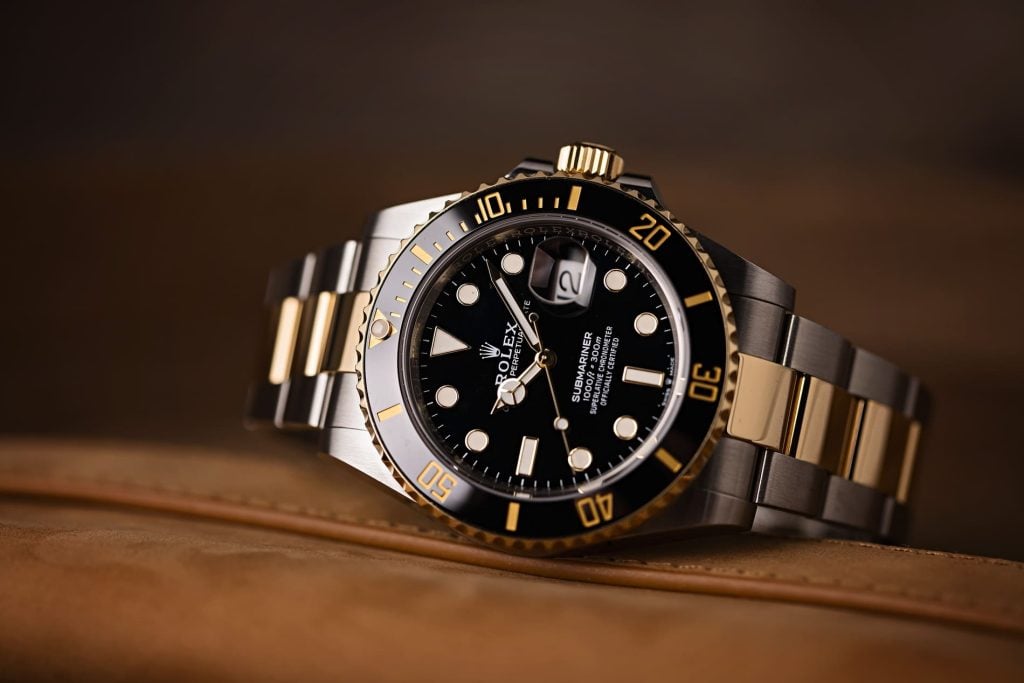
Insuring a Rolex follows a predictable sequence, and most of the work happens before an insurer is contacted. Owners who arrive with documentation in hand get faster quotes, more accurate valuations, and fewer questions at claim time.
- Identify the reference number and serial number. Both are engraved on the case, and the reference determines almost everything about value.
- Gather the purchase receipt or invoice, warranty card, box, and papers if they came with the watch.
- Photograph the watch in good light: dial, caseback, clasp, bracelet, bezel, and any engraving. Include the accessories in at least one frame.
- Obtain a current valuation or a formal appraisal if the insurer requires one.
- Compare a standalone watch policy against a scheduled endorsement on an existing homeowners or renters policy.
- Confirm in writing that theft, loss, accidental damage, travel, and mysterious disappearance are covered.
- Ask how claims are paid: cash settlement, replacement sourced by the insurer, or reimbursement after purchase.
- Ask whether shipping is covered, including transit to and from a service center.
- Read the deductible and the exclusions, not just the premium.
- Set a calendar reminder to review the insured value once a year.
Step one is where owners most often stall. The brand has stamped Rolex serial numbers and reference numbers on its watches since 1926, issuing them sequentially until 1954, adding a letter prefix to six-digit serials in 1987, and moving to randomized serials in 2010, which means the number on a case can also help place the watch in a production period.
Rolex Valuation for Insurance

Rolex valuation for insurance should reflect what it would realistically cost to replace the watch today, which is rarely the same as the price on the original receipt and rarely the same as the current retail price. Some references trade above authorized dealer retail because supply at retail is constrained. Others trade near or below it. Insuring a watch at its 2019 purchase price can leave an owner underinsured, and insuring it at a headline figure from a market peak can mean paying premiums on value that no longer exists.
Across the Rolex watches sold at Bob’s Watches between July 2025 and June 2026, the median sale price was $12,495 and the average was just over $15,000. Roughly 65 percent of those watches sold above $10,000, and close to one in five sold above $20,000. The median sale price also moved during the period, rising about 8 percent from the third quarter of 2025 to the second quarter of 2026. Values that shift by that much in twelve months are values worth re-checking annually.
Model name alone is not a valuation. The table below shows median sold prices and typical ranges from that same twelve-month period, and the spread within each model is the point:
| Rolex Model | Median Sold Price | Typical Range (Middle 80% of Sales) |
| Daytona | $30,595 | $20,100 to $50,000 |
| Sky-Dweller | $23,995 | $18,800 to $41,900 |
| Day-Date 36 | $21,395 | $15,000 to $37,500 |
| GMT-Master II | $18,595 | $13,900 to $25,500 |
| Submariner | $14,495 | $10,800 to $21,600 |
| Explorer II | $10,948 | $9,000 to $13,700 |
| Lady-Datejust | $8,070 | $6,000 to $15,300 |
| Datejust 36 | $7,506 | $6,000 to $14,000 |
Source: Bob’s Watches sold data, July 2025 through June 2026. Figures reflect pre-owned market transactions, not authorized dealer retail pricing.
The ranges compress the extremes. Daytona sales in that period ran from just over $18,000 to well above $250,000, and Submariner sales spanned from roughly $9,400 to more than $84,000. Two watches sharing a model name can differ in value by a factor of ten once metal, dial, bezel, production year, condition, and originality are accounted for. An insurance schedule that lists “Rolex Submariner” and a round number is not describing the watch accurately enough to protect it.
Owners who want to understand the mechanics before requesting an appraisal can start with how to value your Rolex watch and then look at the specific factors behind pre-owned pricing.
Condition, service history, originality of parts, and completeness all feed into how a Rolex price is determined for a used watch, and each of them can move the number an insurer should be told.
Can You Insure a Rolex Without Papers?
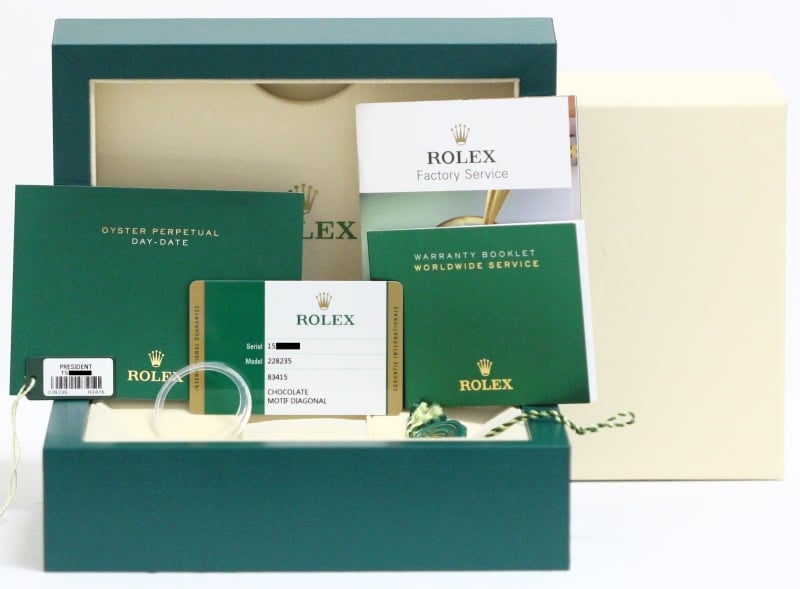
A Rolex can typically be insured without box and papers. Papers help establish provenance and original purchase details, and they add value in the resale market, but insurers generally care about two things: proof that the watch belongs to the owner and a defensible figure for what it is worth. Neither requires the original warranty card.
In place of papers, an insurer may accept a dealer invoice, a written appraisal, clear photographs showing the serial and reference numbers, service records from Rolex or an independent watchmaker, or a bill of sale. Owners who bought pre-owned should keep whatever documentation came with the transaction, because it usually satisfies the same requirement.
The broader question of what box and papers are worth in the pre-owned market is covered in our guide to buying a Rolex without box and papers.
What Should Rolex Insurance Cover?
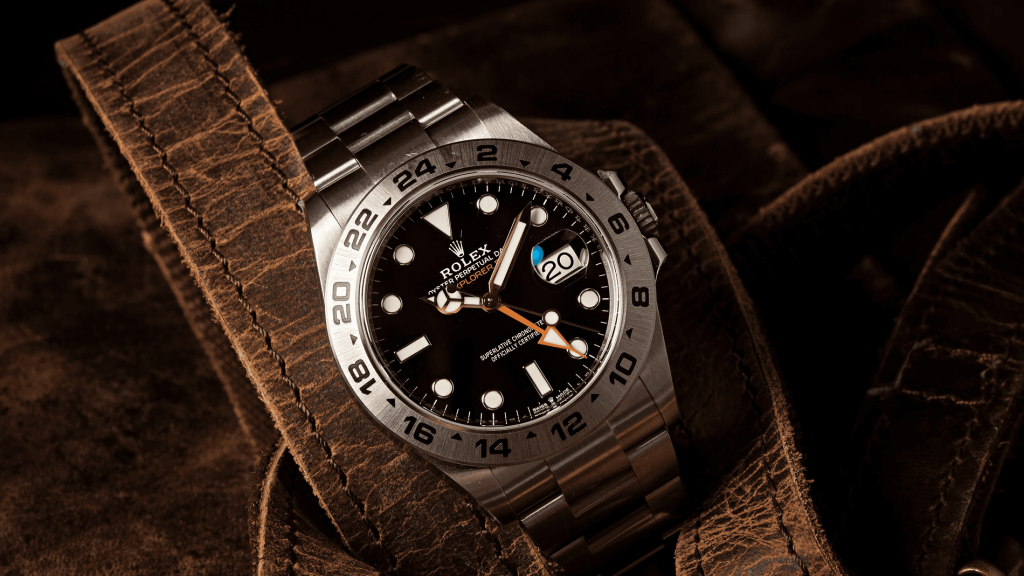
Rolex insurance should cover the ways a watch actually disappears or gets damaged, which extends well past burglary. The following checklist works as a direct comparison tool. An owner can take it to two or three carriers and mark each line yes or no.
- Theft, at home and away from home.
- Loss, meaning the watch is misplaced rather than stolen.
- Accidental damage, including impact and water ingress.
- Mysterious disappearance, with no evidence of forced entry or theft.
- Domestic and international travel.
- Shipping and transit, including to and from service.
- Damage while the watch is being worn.
- Damage while the watch is stored, including in a safe.
- Coverage for multiple watches or an entire collection.
- Repair costs after covered damage, and who selects the watchmaker.
- Whether payout is based on agreed value, replacement cost, or actual cash value.
Any line answered with “it depends” should be followed up until it becomes a yes or a no in writing. Coverage described verbally has a habit of narrowing once a claim is filed.
Questions to Ask Before Choosing Rolex Insurance

The right questions separate policies that look similar on a quote sheet. These are worth asking of every carrier under consideration, and worth keeping the answers in writing.
- Is this policy agreed value, replacement cost, or actual cash value?
- Is there a deductible, and how much is it?
- Is theft covered both inside and outside the home?
- Is accidental damage covered?
- Is mysterious disappearance covered?
- Is the watch covered while traveling internationally, and for how long?
- Are there storage requirements, such as a rated safe or an alarm system?
- Is the watch covered while being shipped for service, appraisal, or sale?
- How is the watch valued at the time of a claim?
- How often can the insured value be updated, and does it require a new appraisal?
- What documents are required to file a claim?
- Can multiple watches be covered under one policy, and does that change the rate?
- If the watch is replaced rather than paid out, who sources the replacement?
That final question matters more than it appears. A carrier that sources replacements chooses the reference, the condition, and the seller. An owner who wants control over what lands on the wrist should confirm whether a cash settlement is an option.
What Documents Help With a Rolex Insurance Claim?

A Rolex insurance claim moves faster when the owner can prove three things quickly: that the watch existed, that it belonged to them, and what it was worth. Every document below supports one of those three points, and assembling them takes an afternoon at most.
- Clear photographs of the dial, caseback, clasp, bracelet, and serial and reference engravings.
- The purchase receipt, invoice, or bill of sale.
- A current appraisal or written valuation.
- The serial number and reference number recorded in writing.
- The warranty card, box, and papers if they exist.
- Service records from Rolex or an independent watchmaker.
- A police report, which most insurers require for theft claims.
- Proof of ownership such as a credit card statement or transfer record.
Service history is the piece owners most often overlook, and it does double duty: it documents the watch for an insurer and it supports the valuation, since a recently serviced watch generally commands more than a neglected one. Our breakdown of Rolex service costs covers what that maintenance involves.
Store copies in cloud storage and keep a second copy somewhere other than the home. Documentation kept in the same drawer as the watch tends to disappear alongside it.
Should You Insure a Rolex You Wear Daily?

A daily-worn Rolex carries meaningfully more risk than one kept in a safe, and coverage should reflect that. A watch on the wrist is exposed to impact, water, crowded public spaces, airport security trays, hotel rooms, rental cars, and the simple mechanical failure of a clasp. A watch in a safe faces essentially one risk: burglary. Insurers price those situations differently, and owners should describe their actual habits rather than the habits they intend to have.
The exposure question also shapes which watches an owner chooses to schedule. Sports references such as the Rolex Submariner are built for daily wear and are worn accordingly, which is exactly why they belong on a policy that covers loss and accidental damage rather than theft alone.
Precious metal and higher-value references such as the Rolex Daytona raise a different question, since the gap between the jewelry sublimit on a homeowners policy and the actual replacement cost is widest at the top of the market.
Travel deserves its own conversation with the carrier. Some policies cover international travel without restriction, some cap the number of consecutive days abroad, and some exclude certain countries. An owner who travels with a Rolex should confirm those terms before the trip, not after.
Is Rolex Insurance Worth It?
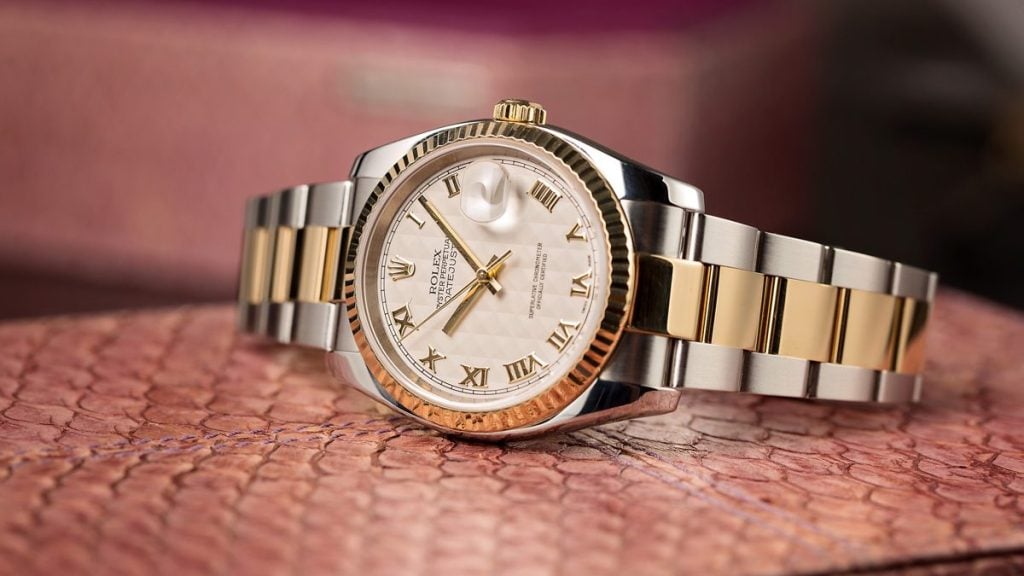
Rolex insurance is worth evaluating for any watch the owner could not comfortably replace out of pocket. That threshold is personal rather than universal. For a watch at the entry end of the market, a premium plus deductible may approach the cost of self-insuring, and some owners reasonably decide to absorb that risk. For a watch worth several thousand dollars or more, especially one that is worn regularly or traveled with, the arithmetic usually favors coverage.
The calculation has three inputs: the current market value of the watch, the annual cost of coverage, and the financial impact of replacing the watch with no help from an insurer. Owners who find the third number uncomfortable and the second number manageable have their answer. Owners who conclude they would rather not carry the risk at all may prefer to sell your Rolex and redirect the value elsewhere, which is a legitimate outcome of the same analysis.
Protecting a Rolex the Right Way
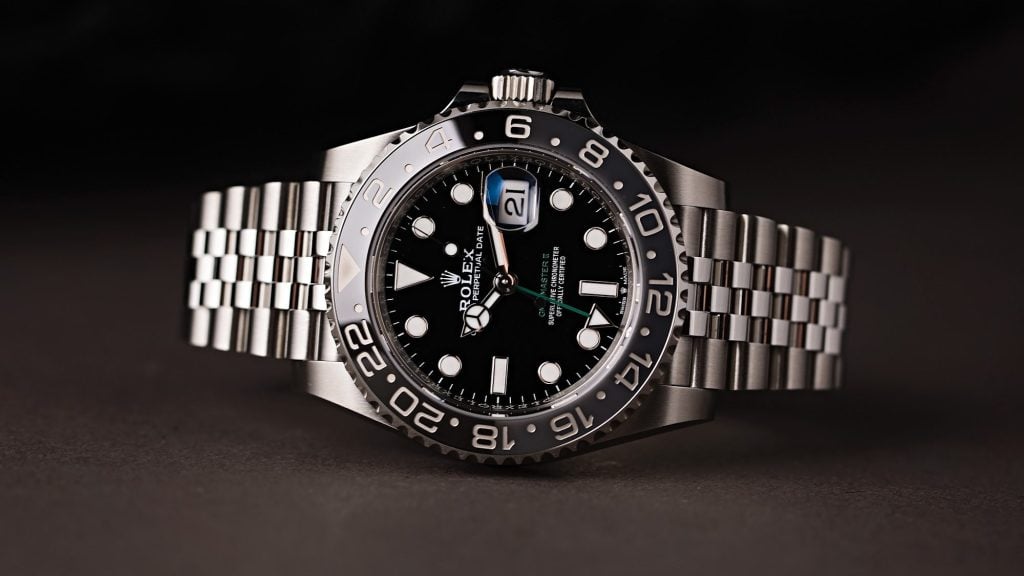
A Rolex is an asset that happens to be worn on a wrist, and it deserves the same attention an owner would give any other asset of similar value. The right coverage depends on the specific reference, its current market value, how often it leaves the house, and what the existing homeowners or renters policy already does. Owners who document the watch properly, insure it at a realistic figure, and revisit that figure annually rarely find themselves arguing with a carrier about what the watch was worth.
Bob’s Watches has spent years in the pre-owned Rolex market, and the pattern is consistent: the owners who fare best in a claim are the ones who treated documentation as part of ownership rather than paperwork to deal with later. Photograph the watch, record the serial and reference numbers, keep the service records, and know what the watch is worth this year rather than the year it was purchased. The same information that supports an insurance claim also supports a future sale, an appraisal, or an authenticity guarantee, which is why it is worth keeping current.
Frequently Asked Questions
The post Rolex Watch Insurance: Should You Insure Your Rolex? appeared first on Bob's Watches.